品

Corea든 Korea든, 품격이 먼저다
Whether Corea or Korea, dignity comes first.
Whether Corea or Korea, dignity comes first.
Now
지금
751 Diaspora
Heritage
유산
Humanity
인문
Mirengsi
未冷尸
Politics
정치
Media
언론
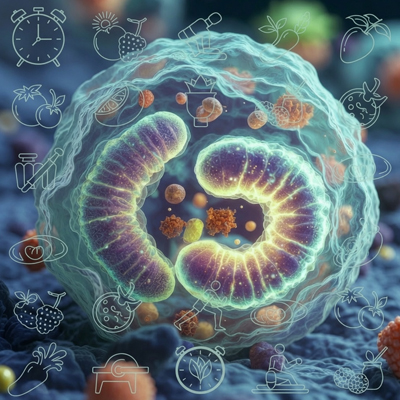
일본 도쿄공업대학의 오스미 요시노리 교수가 효모 세포를 이용해 오토파지의 주요 분자 메커니즘을 밝혀 노벨 생리의학상을 받았다.

과학/건강
칼럼
jinjinbara
Cellular Deep Cleaning: Scientific Activation Methods to Awaken 'Autophagy'

0
2026. 07. 14
- Modern diets and chronic stress damage cells, accelerate aging, and increase the risk of chronic diseases.
- Autophagy, our body's self-cleaning system, is a key mechanism that maintains cellular health by breaking down and recycling damaged cellular components.
- Autophagy is activated through fasting, exercise, sleep, and intake of specific nutrients, and practicing these daily can restore health at a cellular level.
- Intermittent fasting, regular exercise, sufficient sleep, and a diet rich in natural foods promote autophagy, contributing to fatigue recovery, immune enhancement, and delayed aging.
- However, excessive fasting can lead to side effects, so it's important to consult with an expert and establish sustainable habits tailored to individual needs.
The modern diet is richer than ever before. A calorie bomb arrives in an instant with a delivery app, convenience store snacks and processed foods are overflowing, and stress has become chronic. However, behind this abundance, the cells in our bodies are overloaded every day. Damaged proteins, dysfunctional mitochondria, oxidized lipids, and various waste products accumulate inside cells due to overeating, excessive sugar intake, lack of sleep, and lack of exercise, slowly 'rusting' the cells. It's like leaving a broken machine in an old factory. If this continues, inflammation becomes chronic, energy production becomes inefficient, and ultimately leads to accelerated aging, weakened immunity, and the risk of chronic diseases.
Fortunately, our bodies already have a perfect 'self-cleaning system' built in. This is 'Autophagy.' The word means 'self-eating' (auto + phagy) in Greek, and refers to the process by which cells break down and recycle old components themselves. In 2016, Professor Yoshinori Ohsumi of Tokyo Institute of Technology (now Tokyo Tech) in Japan received the Nobel Prize in Physiology or Medicine for elucidating the major molecular mechanisms of autophagy using yeast cells. His research fundamentally changed our understanding of aging and disease beyond cell biology. Autophagy is not just general cleaning, but a multifunctional system that includes cell regeneration, energy redistribution, immune regulation, and cancer prevention.
Scientifically, autophagy proceeds through the stages of initiation → phagophore formation → autophagosome formation → maturation → lysosome fusion → degradation and recycling. To make this easier to understand in real life, it has been organized into 6 steps. Each step is activated by nutrient deficiency (fasting), exercise, sleep, and specific nutrients. The reason intermittent fasting is popular is precisely because it effectively induces this autophagy. Today, based on scientific evidence, each step is explained, and tips for practicing it in daily life are summarized. The goal is not dieting, but a sustainable lifestyle that keeps the body healthy at the cellular level.
Step 1: Initiation & Identification – Detecting damaged areas (from fasting for approximately 12 hours or more)
As time passes after the last meal, when blood insulin and amino acid levels drop, mTOR is inhibited and AMPK is activated. This signal instructs the cells to "start internal cleaning due to energy deficiency." Damaged proteins, mitochondria, and aggregated proteins are marked by receptors such as ubiquitin or p62. After overeating or consuming high-sugar/high-fat meals, insulin levels can remain elevated for a long time, which may delay this process.
Practical tip: Base your diet on 16:8 intermittent fasting. Finish eating before 7 PM and start your first meal after 11 AM the next day. Water, black coffee, and herbal tea are fine. A light morning walk (20-30 minutes) helps with blood flow and signal transmission. Dinner should be light, focusing on protein (fish, tofu, chicken breast) and vegetables.
Step 2: Isolation – 불필요한 물질 분리하기 (12~16시간 정도)
ATG 단백질군(ATG5, ATG12, ATG16L1 등)이 격리막을 형성해 손상 물질을 둘러싸기 시작한다. 스퍼미딘 같은 폴리아민이 이 단계를 지원한다는 연구가 많다.
Practical tip: Maintain a 14-hour fast and eat spermidine-rich foods (aged cheese, mushrooms, fermented soybeans, green vegetables) in the evening. The caffeine in black coffee also helps by stimulating AMPK. Practice meditation or breathing exercises for stress management.
Step 3: Engulfment / Autophagosome Formation – Completely covering the substance (approx. 14-18 hours)
Isolated substances are packaged in a double membrane to form autophagosomes. The ULK1 complex and PI3K complex are key. High-intensity exercise significantly enhances this process through metabolic stress and ROS.
Practical tips: Do HIIT (squats, burpees, etc. for 20-30 minutes) after a 16-hour fast. Consume plenty of omega-3s (fatty fish, flaxseed) and antioxidants (berries, green vegetables), and also take vitamin D and magnesium.
Step 4: Maturity – Completing the autophagosome
The autophagosome membrane is stabilized and its contents are cleared. This process proceeds well during deep sleep, especially during melatonin secretion hours (10 PM to early morning). Nrf2 pathway activation also helps.
Practical tip: Prioritize regular sleep (go to bed before 10 PM, block blue light, keep room temperature 18-20 degrees Celsius). Sulforaphane in cruciferous vegetables (broccoli, kale) activates Nrf2. Avoid caffeine late in the afternoon, and garlic, onions, and ginger can also be beneficial.
Step 5: Fusion – Fusing with lysosomes
The autophagosome fuses with the lysosome to become an autolysosome. Research suggests that polyphenols (EGCG, resveratrol) can support this process.
Practical tip: Try fasting for 17-20 hours once or twice a week (doctor's consultation essential). Make good use of green tea (EGCG), berries, and dark chocolate, and low-intensity aerobic exercise (brisk walking) also helps lysosome function.
Step 6: Degradation & Recycling – Cleaning and reusing
The contents are broken down into amino acids, fatty acids, etc., and recycled into new cellular components and energy. Long-term benefits are expected to include enhanced immunity, fatigue recovery, and delayed aging. However, human studies are still ongoing.
Practical tip: After fasting, the first meal should be protein and fiber-centric (e.g., Greek yogurt + berries + nuts). Most days, maintain a 16-hour fast, and don't forget protein supplementation after exercise. Also, ensure adequate hydration and electrolytes.
Practical Routine and Precautions
Autophagy begins with 'eating less' and is completed by 'eating well.' Minimize processed foods, focus on natural foods (mushrooms, fermented foods, fish, berries, vegetables), and exercise 3-4 times a week. There are also important precautions. Pregnant women, breastfeeding women, underweight individuals, those with a history of eating disorders, those with conditions like diabetes, and those taking certain medications must consult a doctor before starting. Begin slowly with 12-14 hours and gradually increase. Excessive fasting can lead to muscle loss or hormonal problems. To see results, it must become a sustainable habit.
When cells are clean, fatigue decreases, skin becomes clearer, and thoughts become sharper. How about eating a little less and taking a walk starting tonight? By trusting this scientifically proven process and consistently practicing it, you can regain health at the cellular level. Let's create more vibrant days with healthy eating and lifestyle habits.
댓글
( 0 / 500 )
민수네
8
16시간 단식만 따라 하면 되는 줄 알았는데 수면이랑 운동까지 연결되는 원리 설명이 이해하기 쉬웠습니다. 오토파지는 결국 생활습관 전체가 중요하다는 말이 맞네요.
( 0 / 500 )
origin69
5
간헐적 단식을 몇 번 시도하다 포기했는데, 세포에서 어떤 일이 일어나는지 알고 나니 다시 도전해보고 싶은 마음이 생겼습니다.
( 0 / 500 )
표영식
7
'세포 청소'라는 표현이 직관적이라 읽기 편했습니다. 다만 오토파지가 만병통치약은 아니고 사람 대상 연구는 더 필요하다는 점까지 적어줘서 균형감이 느껴졌습니다.
( 0 / 500 )
x7
5
오토파지라는 말은 많이 들어봤는데 원리가 이렇게 체계적인 줄은 처음 알았습니다. 관련 논문이나 연구도 더 찾아보고 싶네요.
( 0 / 500 )
박나경
5
저녁 늦게 야식 먹는 습관이 가장 큰 문제라는 걸 다시 깨달았습니다. 오늘부터라도 저녁 일찍 먹고 30분 산책부터 실천해 보려고 합니다. 건강 정보는 과장된 글이 많은데, 이 글은 오토파지의 과정과 한계, 주의사항까지 함께 설명해서 신뢰가 갑니다. 특히 당뇨나 임산부는 무조건 따라 하면 안 된다는 부분이 중요하네요.
( 0 / 500 )
baro6
3
요즘 노화와 미토콘드리아에 관심이 많은데 오토파지가 이렇게 연결되는군요. 앞으로 이 주제에 대한 글도 계속 올려주시면 좋겠습니다.
( 0 / 500 )
연꽃
3
단순히 살 빼는 방법이 아니라 세포 건강을 위한 생활습관이라는 관점이 인상적이네요. 오토파지와 장 건강, 치매 예방의 관계도 한번 다뤄주시면 재미있을 것 같습니다.
( 0 / 500 )
조기호
1
결국 비싼 영양제보다 규칙적인 식사, 공복, 운동, 숙면이 핵심이라는 얘기네요. 실천은 쉽지 않지만 가장 비용 적게 드는 건강관리라는 점에서 공감합니다.
( 0 / 500 )
신고내용
신고내용을 선택해주세요
회원비난/비하/욕설글 및 댓글도배성 게시물저작권 침해/불법자료 유출허위사실유포개인정보 유출.사생활 침해무단광고/홍보음란물 및 도박 불법 광고물범죄행위 관련 글불법행위 관련 소개물품 판매 및 사기글악성코드 및 스파이웨어 유포기타 사유 및 운영진 판단


비밀번호를 잊으셨나요?
Sign in with Google


All information provided by us is free of charge and is for the public good.